
No win, No fee— Period.
We will get back to you as soon as possible.
Please try again later.
Hit By an Uber or Lyft Driver
If a rideshare driver hit your car, your claim often starts with a frustrating letter: the driver's personal insurer denying coverage because the vehicle was being used commercially. That denial isn't the end of your claim. Washington requires commercial coverage whenever a rideshare driver is working, and the real task is moving your claim to the policy that actually applies.
Washington Law and Commercial Policies
For drivers, passengers of other cars, and anyone else hit by a working rideshare vehicle, three pieces of Washington law frame the claim.
RCW 46.72B.180
The Policy that Pays
Whenever a rideshare driver is working, Washington requires commercial insurance to be in place. With a ride accepted or a passenger aboard, that means a $1,000,000 policy. Logged in and waiting, a lower tier applies. Personal policies typically exclude commercial driving entirely, which is why the first denial so often comes from the wrong insurer.
RCW 46.61.145
Determining Fault
Rideshare drivers are held to the same standards as everyone else: safe following distance, proper lookout, lawful turns. A driver watching a navigation screen instead of the traffic ahead is a following-too-closely case with an app attached, and the ordinary rules of the road decide it.
RCW 4.22.005
Fault Percentages
Washington reduces recovery by your percentage of fault, which is why adjusters try to assign you a share even in clear rear-end crashes. Fault percentages are argued and proven, not decreed by an adjuster. Pushing back on inflated fault assignments is a normal part of these claims.
hit by an uber or lyft driver
The First Denial is Par for the Course
Third-party rideshare claims follow a predictable sequence: the personal insurer investigates, denies under a commercial-use exclusion, and only then does the rideshare carrier engage. People who don't know the sequence read that first denial as the end. It's closer to the beginning. Knowing the sequence, and pushing it forward instead of waiting on it, often saves months.
how these claims work
The runaround isn't a sign your claim is weak. It's the standard shape of a claim that started with the wrong insurer. Washington law says which policy covers a working rideshare driver. Your job, or your attorney's, is to establish that the driver was working, document it, and put the claim in front of the carrier that actually owes it.
Here's the sequence most people experience. You file with the at-fault driver's insurance, the way you would after any crash. Weeks later, a denial arrives citing a commercial-use or livery exclusion: the driver was working for Uber or Lyft, so the personal policy doesn't apply. It reads like a dead end. It's actually a fork in the road, because Washington law requires a separate commercial policy to be in place for exactly this situation.
Which tier of that commercial coverage applies depends on the driver's app status at impact. A ride accepted or a passenger aboard means the $1,000,000 policy. Logged in and waiting for a match means lower statutory limits. App off means the personal policy applies after all, and the denial was wrong. Every path leads somewhere; the work is proving which path you're on. That's why the rideshare markings on the car, the presence of a passenger, and the driver's own words at the scene matter so much — they establish the commercial context before anyone can blur it.
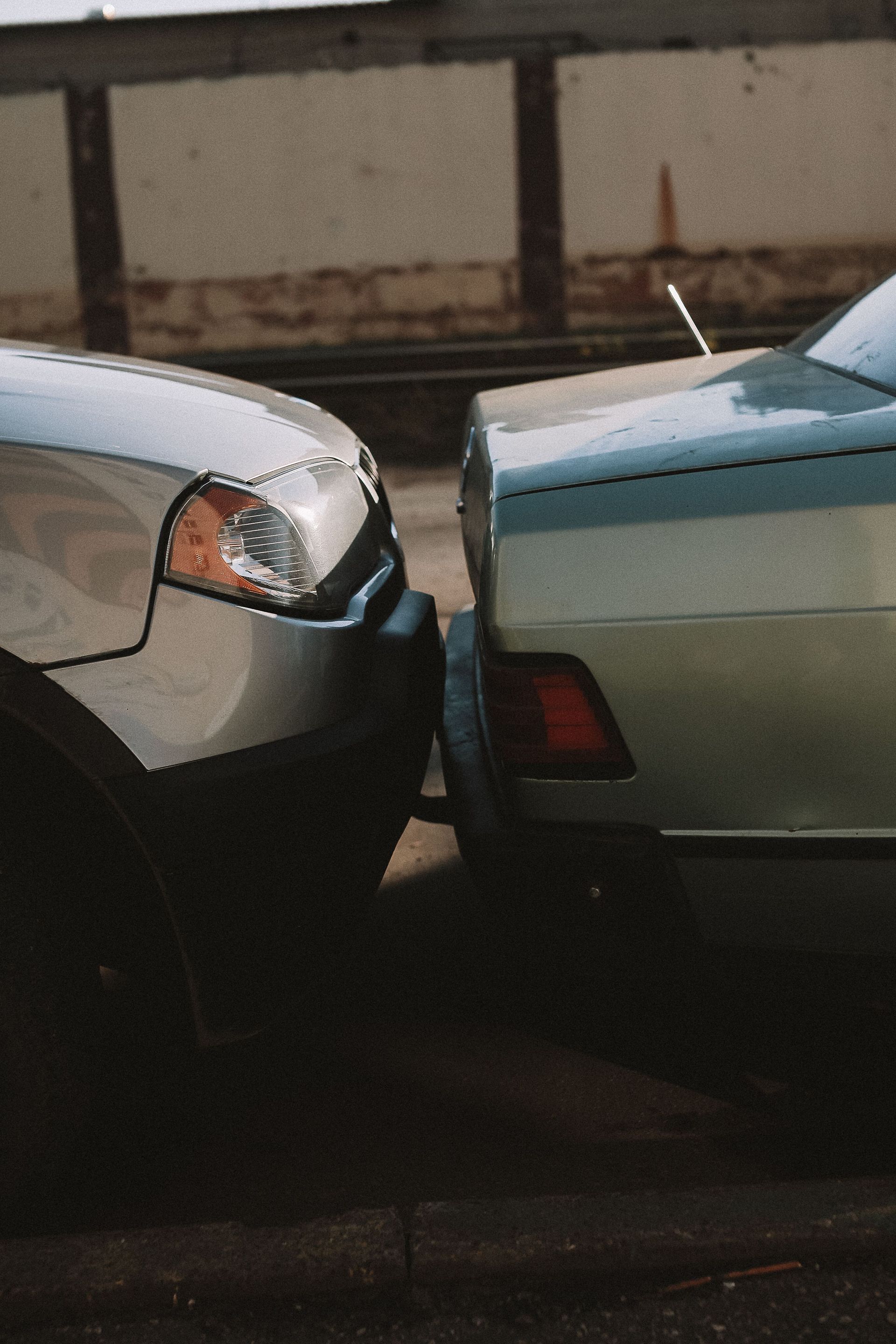
Fault itself usually isn't exotic. Seattle's rideshare crash patterns are ordinary negligence in local costume: chain-reaction rear-enders in stop-and-go traffic on I-5 through downtown and across the Ship Canal Bridge, where drivers watch navigation screens instead of brake lights.
Sudden curb pulls and midblock U-turns near pickup zones. Out-of-area drivers, unfamiliar with the one-way grid, transit-only lanes, and streetcar tracks, making abrupt corrections. The rules of the road decide these cases the same way they always have.
Expect the comparative fault push. Adjusters commonly float a percentage of blame at you, even in rear-end crashes: you stopped short, you could have avoided it. Washington's pure comparative system means a fault assignment reduces recovery rather than ending it, but inflated percentages cost real money and deserve real pushback, with evidence rather than concession.
Meanwhile, the most urgent problem is often the practical one: your car is in a shop, nobody has authorized repairs or a rental, and the bodily injury claim hasn't even started. Sequencing matters here. The property damage claim can often move ahead of the injury claim once the correct carrier is engaged, which is one more reason not to let the file sit in denial limbo.
The early tip: photograph the rideshare decals before the driver removes them, and ask one question at the scene: "Do you have a ride going?" The answer, and who else is in the car, points directly at the coverage tier.
What Helps Build the Claim
1
Photograph Rideshare Markings
Uber and Lyft decals come off a windshield the same day. A photo of the trade dress, the driver, and the plate locks in the commercial context of the crash before it can be disputed. It's ten seconds of work that anchors the entire coverage question.
2
Find Out if a Ride Was Active
The driver's answer at the scene, a passenger in the car, or a rider waiting at the curb all point to which coverage tier applies. Note it, photograph it, and mention it to the responding officer so it lands in the report. The platforms' own logs confirm it later.
3
Get The Police Report
An SPD or WSP report documents the parties, the officer's observations, and any citations. In a rear-end or failure-to-yield crash, a citation in the official record anchors the fault case and undercuts the comparative-fault percentage an adjuster floats later.
4
Don't Wait Out the Runaround
If the personal insurer denies, that letter should move your claim forward, not park it. Keep the denial, and get the claim in front of the commercial carrier with the app-status evidence assembled. This is the step where people lose months, and where help earns its keep fastest.
The driver's insurance denied my claim because they were working for Uber. Now what?
The driver's insurance denied my claim because they were working for Uber. Now what?
That denial points your claim at the commercial coverage Washington requires for working rideshare drivers. Keep the denial letter, document the driver's app status, and present the claim to the rideshare carrier. The denial is a routing step, not a verdict on your claim.
Who pays for my car repairs and rental in the meantime?
Who pays for my car repairs and rental in the meantime?
The property damage claim runs against the same coverage as the injury claim, and it can often be resolved sooner once the correct carrier is engaged. Your own collision coverage is another route to faster repairs, with your insurer recovering from the at-fault side afterward.
Does it matter whether the Uber or Lyft driver had a passenger?
Does it matter whether the Uber or Lyft driver had a passenger?
For coverage, yes. A passenger aboard or a pickup in progress means the $1,000,000 commercial policy applies. A driver merely logged in and waiting falls under lower limits. It doesn't change who was at fault, only how much insurance responds.
The adjuster says I'm partially at fault for being rear-ended. Is that real?
The adjuster says I'm partially at fault for being rear-ended. Is that real?
It's a negotiating position. Washington's comparative fault system lets insurers argue percentages, and they do, even in rear-end crashes where the following driver is presumptively responsible. The percentage is contestable with evidence, and contesting it is standard, not confrontational.
What if the rideshare driver fled the scene?
What if the rideshare driver fled the scene?
Report it to police immediately and preserve anything identifying the vehicle. Once the driver is identified, the same coverage analysis applies. If they're never identified, your own uninsured motorist coverage may respond. Either way, speed and documentation help.
Do I really need a lawyer for this, or just patience?
Do I really need a lawyer for this, or just patience?
Patience alone tends to reward the insurers. The sequence moves when someone establishes app status, assembles the denials, and puts the claim in front of the right carrier with the record built. That's process knowledge more than aggression, and it's the difference between weeks and months.