
No win, No fee— Period.
We will get back to you as soon as possible.
Please try again later.
Lyft Passenger Injuries
Washington regulates Lyft as a Transportation Network Company under RCW 46.72B.180. If you were injured as a Lyft passenger, three legal points matter early: the commercial coverage available during the ride, how Washington handles fault, and how quickly key evidence can disappear.
Washington Law and Rideshare Passengers
Lyft passenger claims in Washington run through the same rideshare statute as Uber claims, with a few points worth understanding early.
RCW 46.72B.180
Commercial Coverage
Washington requires a commercial policy of $1,000,000 in combined liability coverage for death, personal injury, and property damage during a prearranged Lyft trip. Separate underinsured motorist coverage of $100,000 per person and $300,000 per accident applies while a passenger is in the vehicle, which matters when a different driver caused the crash.
RCW 4.22.005
Pure Comparative Fault
Washington divides fault by percentage rather than barring recovery. Drivers involved in the crash may argue over their shares, but a passenger who had no control over the vehicle is rarely assigned any fault at all. That means the fault fight usually happens around you, not against you.
RCW 4.16.080
3-Year Filing Window
Washington generally gives you three years from the crash date to file a personal injury lawsuit. The deadline is not the real time pressure, though. Trip records, dashcam files, and city camera footage can disappear within days or weeks, long before any filing deadline matters.
lyft passenger injuries
Early Offers are Rarely Fair Offers
Lyft's insurers sometimes move quickly after a crash, occasionally with a settlement number before you've finished treatment. Whiplash, concussion symptoms, and disc injuries often develop over days or weeks, not minutes. Accepting an early offer closes the claim permanently, including for treatment you don't know you need yet. Understanding your injuries first costs nothing. Settling early can cost a lot.
how these claims work
The risk in a Lyft passenger claim usually isn't losing. It's settling too early. You were a passenger, fault rarely touches you, and the coverage exists. The real work is making sure the claim doesn't close before the full picture of your injuries, your treatment, and your losses is actually known.
Washington regulates Lyft under the state's rideshare statute, RCW 46.72B.180, which requires $1,000,000 in commercial liability coverage during an active trip. If your Lyft driver caused the crash, that policy is where the claim points. If another driver caused it, the claim starts with that driver's insurance, and Lyft's underinsured motorist coverage can step in when the at-fault driver carries too little insurance or none at all.
None of that is the hard part. The hard part is timing. Rear-seat passengers rarely see a crash coming, which means no bracing, and injuries that surface gradually: neck and back pain that builds over a week, headaches and fog that suggest a concussion, numbness that points to a disc problem. Adrenaline masks a lot on day one.
Insurance adjusters know this, and quick settlement offers tend to land in that early window. The offer might come across as helpful, a way to wrap things up. What it actually does is trade an unknown medical future for a known, and usually small, number. Once you sign a release, later treatment is your problem, not the insurer's.
Seattle adds its own patterns. Post-game surges around Lumen Field and T-Mobile Park produce low-speed, abrupt-stop collisions where drivers hunting for passengers brake suddenly or pull into traffic blind. Trips up Aurora Ave N move at highway speeds, where the same inattention produces much more serious impacts. Weekend pickups along the Pike/Pine corridor and in Belltown involve tight curb space and rushed stops. Different corridors, different crashes, same principle: the setting of the crash shapes both the injuries and the evidence worth chasing.
One thing worth doing early: see a doctor within the first few days even if you feel mostly fine, and mention every symptom, however minor it seems. A medical record from that first week connects your injuries to the crash. A three-week gap becomes the insurer's favorite exhibit.
What Helps Build the Claim
Evidence in Lyft crash cases can disappear quickly. Dashcam footage gets overwritten. App data isn't automatically preserved. The steps you take in the first few days often determine what's available later.
1
Save Your Lyft Trip Details
Screenshot the ride screen and keep the email receipt before anything changes in the app. It documents the driver, the route, and the exact timing of the trip, which ties your injuries to an active Lyft ride. That single step settles questions about which insurance applies before anyone can raise them.
2
Get the Police Report
An SPD or WSP collision report creates the official record of what happened, who was involved, and what officers observed at the scene. Request it as soon as it's available. If a citation was issued, it becomes an anchor for the fault story later.
3
Seek Medical Attention & Document it
Rear-seat injuries develop over days. A medical visit in the first week documents your condition close to the crash and catches symptoms you might dismiss. That record is often the difference between an insurer accepting your injuries and disputing them.
4
Talk to Us Before Accepting Any Offer
A settlement release is permanent. It covers treatment you haven't needed yet and symptoms that haven't appeared yet. Before you respond to an adjuster or accept a number, a short conversation can tell you whether the offer reflects the claim or just the insurer's hope that you'll take it.
Does Lyft's insurance work differently than Uber's in Washington?
Does Lyft's insurance work different than Uber's in Washington?
No. Both operate under the same state statute, RCW 46.72B.180, with the same coverage requirements during a trip. The claims process and the adjusters differ in practice, but the legal framework is identical.
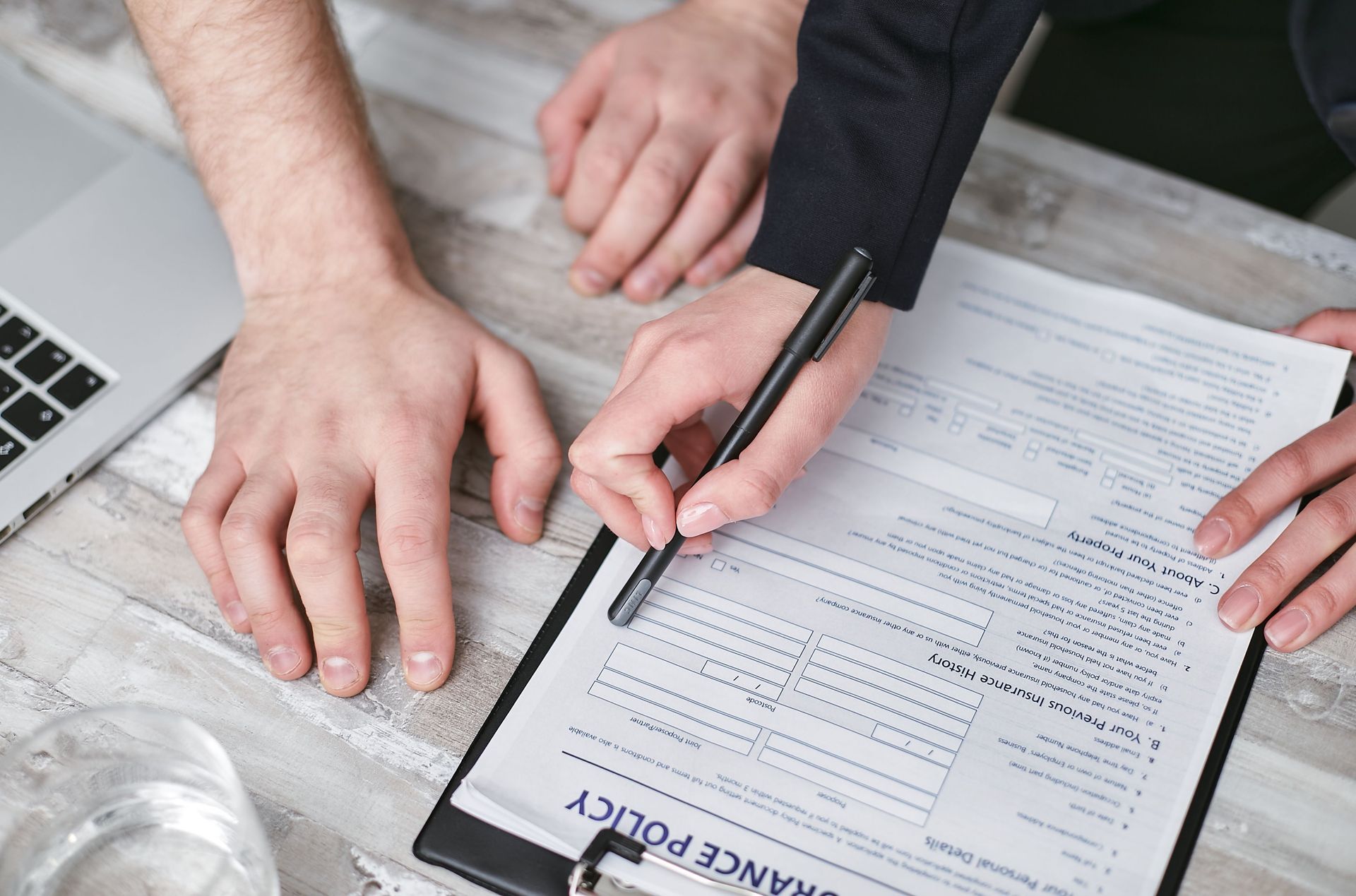
Who pays my medical bills while the claim is pending?
Who pays my medical bills while the claim is pending?
Bills usually flow through your own health insurance, or through personal injury protection on your own auto policy if you have it, while the liability claim is worked out. The settlement then accounts for those costs. An attorney can help sequence this so bills don't pile up unaddressed.

Should I give Lyft's insurance company a recorded statement?
Should I give Lyft's insurance company a recorded statement?
You're not required to before speaking with an attorney, and it's usually wise to wait. Recorded statements taken days after a crash, before your injuries are fully understood, tend to be used to limit the claim later.

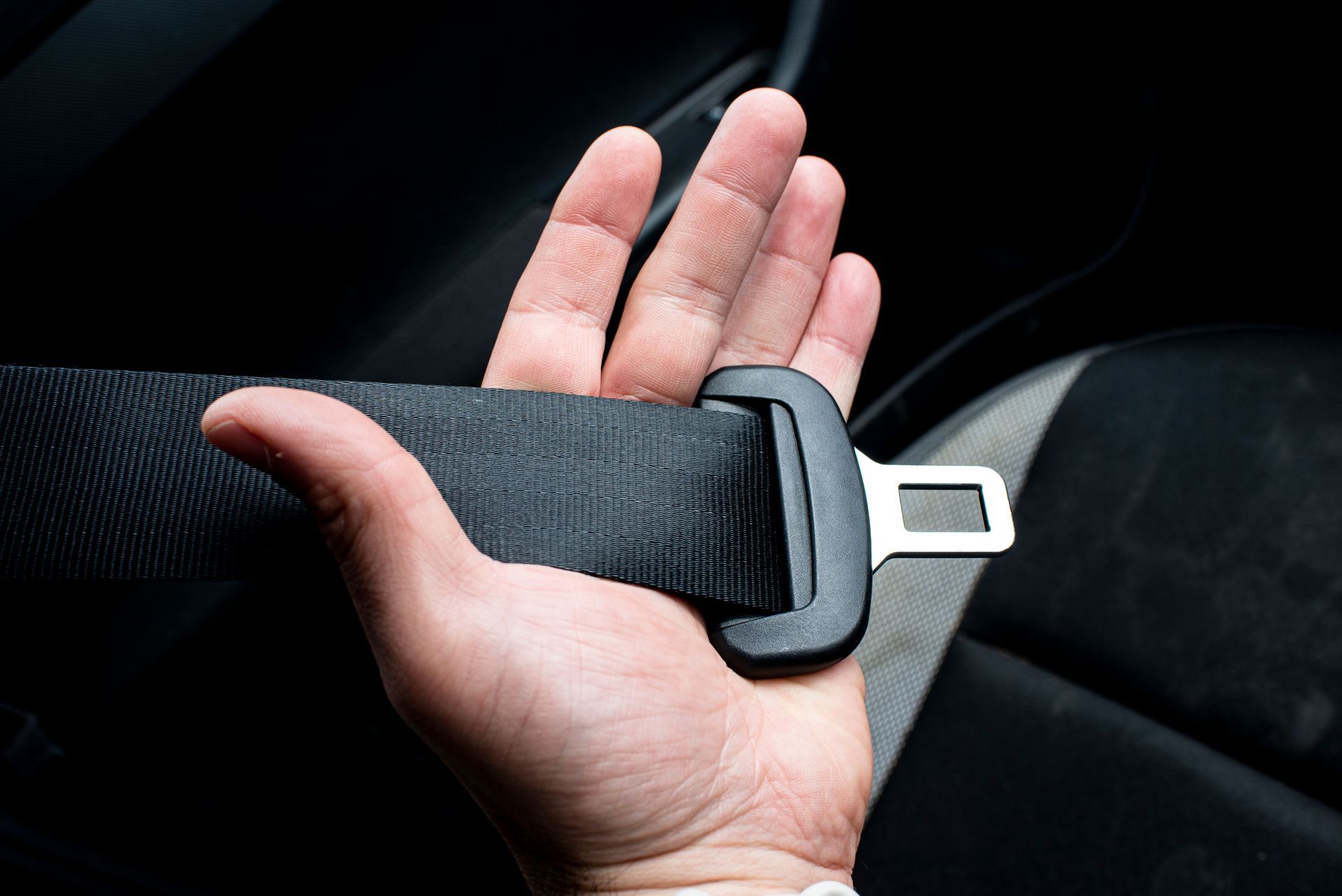
What if I wasn't wearing a seatbelt?
What if I wasn't wearing a seatbelt?
You may still have a claim. Washington law limits how seatbelt nonuse can be used against injured people, and it doesn't erase the at-fault driver's responsibility. It's a detail to discuss, not a reason to give up.
What if another driver caused the accident and has little to no insurance?
What if another driver caused the crash and has little or no insurance?
Underinsured motorist coverage on the Lyft policy can apply while a passenger is in the vehicle. Your own auto policy's UIM coverage may also come into play. Identifying every available layer is part of the early work.

How long does a Lyft passenger claim take?
How long does a Lyft passenger claim take?
It depends mostly on your medical treatment. Resolving a claim before treatment is complete means guessing at its value, which favors the insurer. Most claims resolve after your condition stabilizes, whether that takes months or longer.