

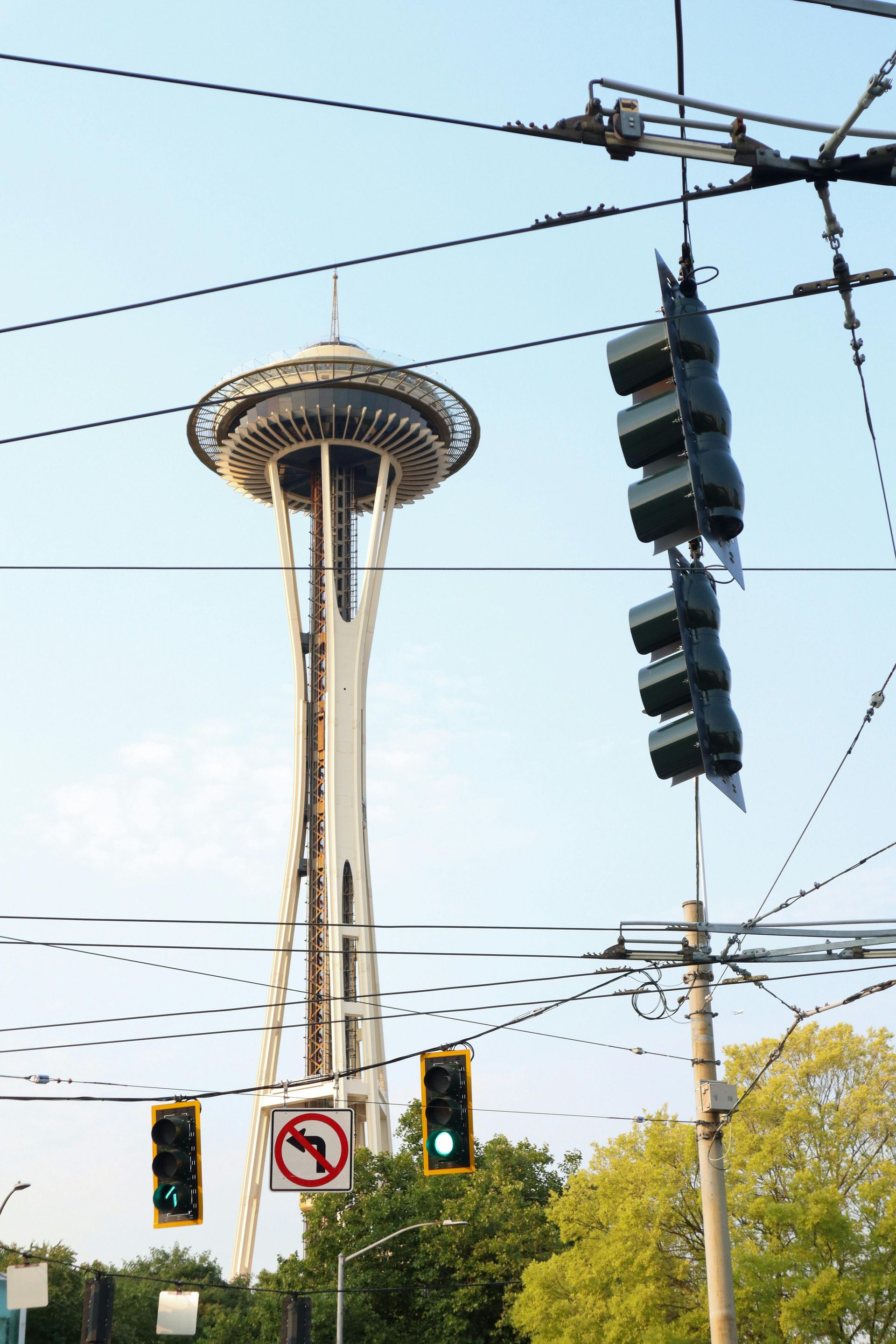
Learn about the top 8 dangerous intersections in the Puget Sound. Contact us for legal help if you've been injured in an accident.

After an accident in Washington, the insurance adjuster usually calls within 24 hours. They sound like your best friend—polite, concerned, and "just checking in." Don't be fooled. In Washington, we operate under pure comparative fault , which means adjusters are professionally trained to find any reason to shift a percentage of the blame onto you. Every word you say is being weighed against your future settlement. Here are five phrases that can accidentally tank your claim, explained in memes. 1. "I’m fine / I’m okay." The Reality: Adrenaline is a powerful mask. In the Pacific Northwest, we tend to be polite and downplay our pain. But saying "I'm fine" five minutes after a crash on I-5—only to wake up the next morning unable to turn your neck—gives the adjuster a reason to claim your injuries were "pre-existing" or "not that bad." What to say instead: "I’m still evaluating my condition and seeking medical attention." 2. "I’m sorry." The Reality: In Washington, "I'm sorry" is often just a reflex of being polite. However, an insurance company will record that apology as a voluntary admission of fault . Even if the other driver blew a red light in downtown Seattle, your apology can be used to reduce your settlement under our comparative negligence laws. What to say instead: Say nothing about the cause of the crash. Stick to the logistics (name, insurance info, etc.). 3. "I think the other car was going 50 MPH..." The Reality: Unless you’re a human radar gun, do not guess speeds, distances, or times. If you say they were going 50 but the black box data shows 42, the adjuster will use that tiny discrepancy to label you an "unreliable witness." What to say instead: "I’m not sure of the exact speed." 4. "Sure, I’ll give a recorded statement." The Reality: You are not legally required to give a recorded statement to the other driver’s insurance company. They aren't looking for the truth; they are looking for a slip-up. They will ask leading questions designed to make you sound uncertain or contradictory. What to say instead: "I’m not prepared to give a recorded statement at this time. Please contact my attorney." 5. "That settlement offer sounds fair." The Reality: Initial offers are almost always lowballs. They want to settle before you realize the full extent of your medical bills or lost wages. Once you sign that release in Washington, you cannot go back for more—even if you need surgery six months later. What to say instead: "I need to review this with my legal counsel before signing anything." The Bottom Line In 2026, Washington’s insurance laws (like the Insurance Fair Conduct Act) are there to protect you, but you have to play your cards right. The adjuster’s job is to save the company money. Our job is to make sure they pay what’s fair. Need a hand navigating the paperwork? Give us a call at (206) 588-8529 before you pick up the phone for the adjuster.