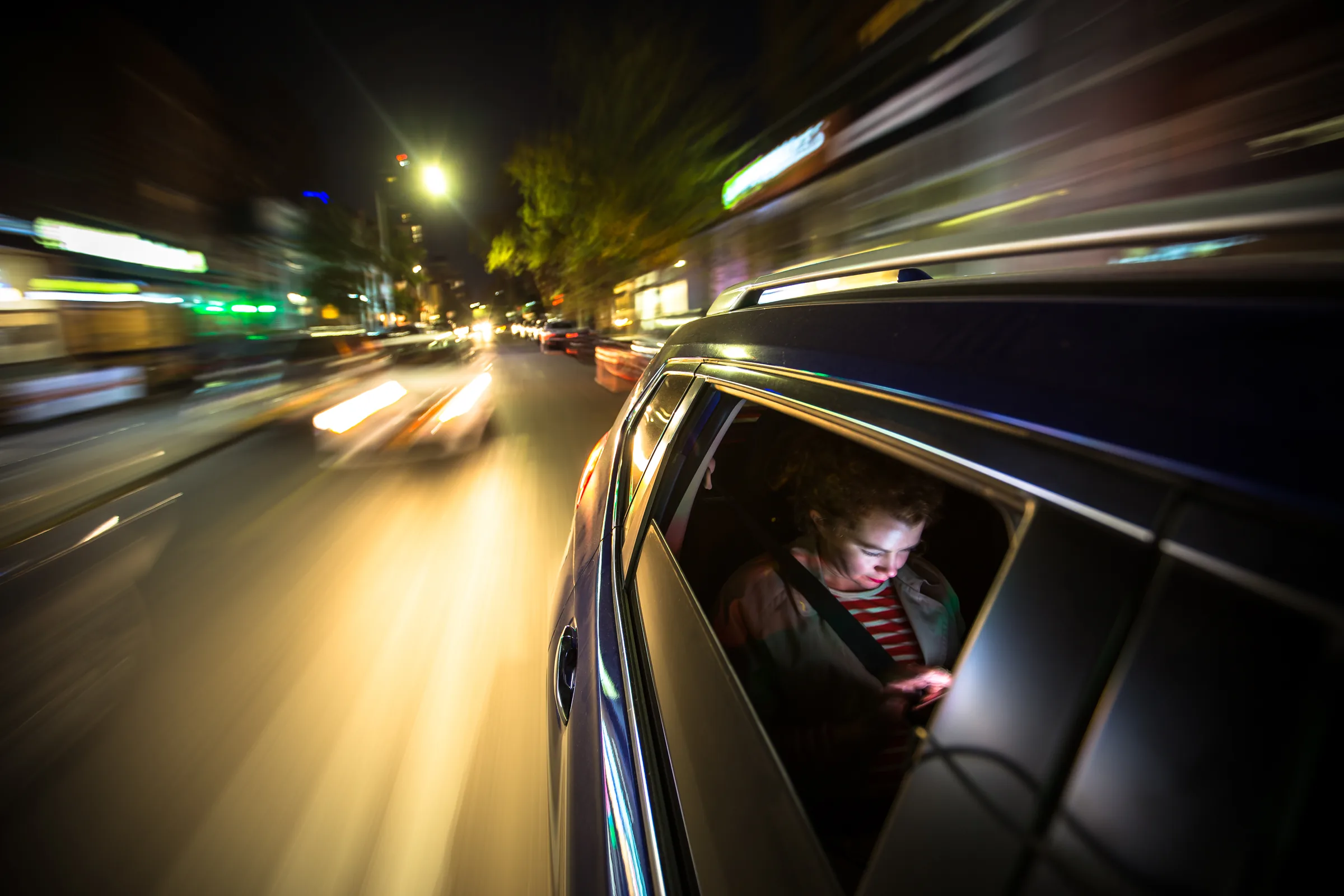
Robotaxis change the cast of a crash case. The investigation can shift toward the automated-driving system, fleet operator, vehicle owner, maintenance records, platform and insurers.
Robotaxis change the cast of a crash case. When no human rideshare driver is controlling the vehicle, the investigation can shift toward the automated-driving system, fleet operator, vehicle owner, maintenance records, platform and insurers. There is no single national rule assigning every robotaxi crash to one company.
The Rideshare App and the Autonomous-Driving System May Belong to Different Companies
Uber’s partnership with Waymo illustrates the new structure. In Austin and Atlanta, riders can request eligible trips through Uber while Waymo’s autonomous-driving technology operates the vehicle. The companies have described responsibilities that include Uber handling aspects of fleet management and dispatch while Waymo provides the autonomous system.
That is already more complex than the familiar model of a private driver using a personal car on a rideshare app. Other partnerships can divide ownership, software, dispatch and fleet operations differently.
The First Question After a Crash Becomes “What Failed?”
In a conventional collision, investigators often begin with human driving conduct: speed, following distance, distraction, impairment, signals and right of way. Those questions still matter when another human-driven vehicle is involved, but a robotaxi introduces additional possibilities.
The evidence may include sensor data, software logs, remote-assistance records, mapping information, vehicle diagnostics, maintenance history and the automated system’s response to the roadway environment. A mechanical defect and an automated-driving decision can also be separate issues.
Several Entities Can Be Relevant Without All Being Legally Liable
Depending on the facts and jurisdiction, an investigation may examine the automated-driving-system developer, vehicle manufacturer, fleet owner, maintenance provider, dispatch platform, component suppliers and insurers. Identifying a company in that chain does not automatically make it responsible for damages.
The legal theory has to match the alleged failure. Negligent maintenance, defective product design, software defects, operational negligence and another motorist’s ordinary negligence are not interchangeable claims.
Federal Crash Reporting Does Not Decide Civil Liability
The National Highway Traffic Safety Administration requires certain manufacturers and operators to report qualifying crashes involving automated driving systems under its Standing General Order. That reporting helps federal safety oversight and defect investigation.
A federal report, however, is not a civil verdict. NHTSA’s safety authority and a state tort case answer different questions. Civil liability can still depend on state negligence law, product-liability standards, insurance contracts and the specific evidence from the crash.
Insurance Remains Part of the Liability Map
Autonomous operation does not make insurance disappear. Vehicle owners and fleet operators still operate within state insurance systems, and commercial arrangements can allocate responsibility among companies. The applicable policy can depend on where the crash occurred, who owned the vehicle and how the service was structured.
That makes early preservation of evidence especially important. A passenger may know only that the ride appeared in the Uber app, while the vehicle, autonomous system and fleet operations involve other companies.
No Human Driver Does Not Mean No Accountable Actor
The cleanest way to think about a robotaxi crash is not “Who is the driver?” but “Which person, company, system or product allegedly failed, and what evidence shows that failure caused the crash?” In some cases, the answer may still be another human motorist. In others, the autonomous system or fleet operation may be central.
As ride-hailing platforms become distribution networks for autonomous fleets, accident cases will increasingly require a map of the technology and business relationships behind the trip. The app on the passenger’s phone is only the visible front end.
Sources
- Waymo — Waymo and Uber Expand Partnership to Austin and Atlanta
- Uber Investor Relations — Uber and Waymo Expand Partnership to Bring Autonomous Ride-Hailing to Austin and Atlanta
- Uber Newsroom — Waymo on Uber Launches in Atlanta
- NHTSA — Standing General Order on Crash Reporting
- Uber Investor Relations — Lucid, Nuro and Uber Partner on Next-Generation Autonomous Robotaxi Program
This article is for general informational purposes and is not legal advice.


Join the Conversation
Comments are moderated before publication. Keep it relevant, civil, and respectful of the people involved.